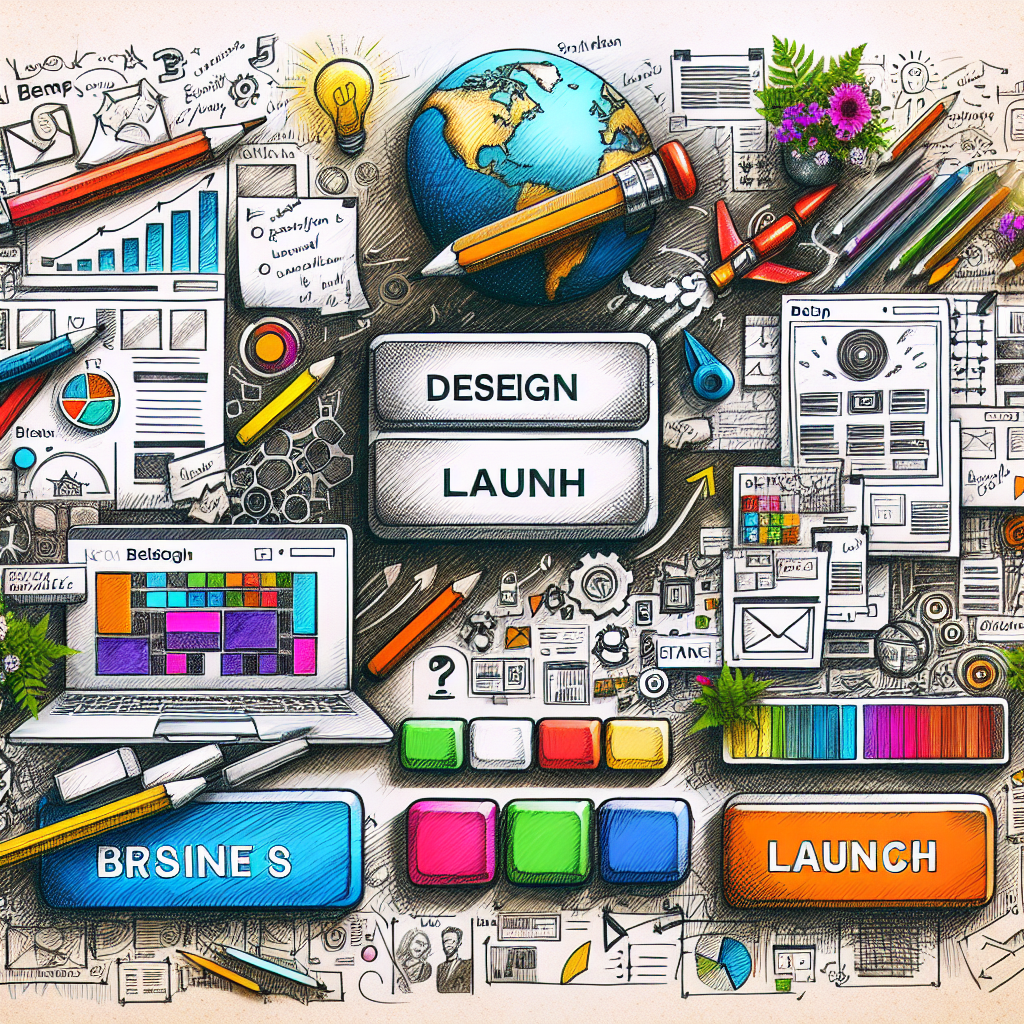
From Concept to Launch: Creating the Perfect Small Business Website
Introduction
Welcome to the wild world of small business web design, where your online presence can make or break your entrepreneurial dreams! If you’re here, you’re probably wondering how to design a website for a small business that not only looks stunning but also converts visitors into loyal customers. Spoiler alert: it’s not as daunting as it sounds!
In today’s digital age, having a website is like having a storefront on the busiest street in town except this street never sleeps. With the right website development for small business, you can showcase your products, tell your brand story, and connect with customers like never before. But hold on! Before you dive headfirst into the vast sea of options, let’s take a step back and understand what makes an effective small business website.
From choosing between DIY platforms like Wix and Squarespace to finding the best affordable web design services, we’re going to cover everything you need to know. Whether you’re looking for a custom website for small business or simply want to explore local business web design options, we’ve got you covered!

Key Takeaway: A well-designed website is crucial for establishing your brand’s online presence and attracting customers. Let’s get started!
Understanding Your Business Needs
Before you dive headfirst into the world of small business web design, it’s crucial to take a step back and really understand what your business needs. Think of this as the blueprint phase of building a house without a solid plan, you might end up with a wonky structure that doesn’t quite fit your lifestyle.
Identifying Your Target Audience
First things first: who are you trying to reach? Identifying your target audience is like finding the right playlist for a road trip. You wouldn’t blast classical music if your friends are ready to party, right? Similarly, understanding who will visit your site helps tailor your content and design to speak directly to them. Consider demographics like age, interests, and where they hang out online.
Defining Your Business Goals
Next up, let’s talk goals. Are you looking to sell products online? Maybe you want to generate leads or simply showcase your services? Defining these objectives is key when you design a website for a small business. It shapes everything from your layout to your call-to-action buttons. For example:
- E-commerce: If you’re an e-commerce website for small business, you’ll need robust product pages and secure payment gateways.
- Lead Generation: If generating leads is the goal, focus on forms and compelling content that convert visitors into customers UK websites.
- Brand Awareness: If it’s all about spreading the word, opt for stunning visuals and engaging storytelling.
Choosing the Right Type of Website
Your business model will heavily influence what type of website you’ll need. Here are some options:
- Informational Website: Great for local businesses wanting an online presence without e-commerce capabilities.
- E-commerce Website: Perfect for those ready to sell products or services online with features like shopping carts and payment systems.
- Diy Small Business Website: Platforms like WordPress for small businesses or DIY builders like Wix for small businesses can be excellent if you’re on a budget but still want something professional.
Takeaway: Understanding your audience, defining clear goals, and choosing the right type of website are essential steps before embarking on the journey of web design. This foundation ensures that when you finally launch, you’re not just throwing spaghetti at the wall you’re serving up a well-cooked meal that satisfies!
The Importance of Small Business Web Design
Let’s face it: in the digital age, your website is like your storefront. If it’s messy or uninviting, potential customers might just walk right past your virtual door. So, why should you care about small business web design? Here are a few compelling reasons:
- First impressions matter: Studies show that users form an opinion about your website within milliseconds. A well-designed site can make you look professional and trustworthy, while a poorly designed one can send visitors running for the hills.
- User experience and navigation: Imagine trying to find a pair of socks in a cluttered store. Frustrating, right? The same goes for websites. A clean layout and intuitive navigation ensure that visitors can easily find what they’re looking for. This not only improves their experience but also increases the likelihood of converting them into customers.
- SEO-friendly web design benefits: Did you know that search engines reward well-structured websites? An SEO-friendly design means better visibility on Google, which translates to more traffic and potential sales. Think of it as giving your small business a megaphone in a crowded marketplace!
Tip: Prioritize responsive web design! With more people browsing on mobile devices than ever before, ensuring your site looks great on all screens is crucial for maintaining that all-important online presence.
In short, investing in professional website design for small businesses isn’t just a nice-to-have; it’s essential for growth and success. Whether you’re looking to DIY with platforms like WordPress for small businesses or hire an expert from a website design agency UK, remember: a well-crafted site can be the key to unlocking new opportunities.
Choosing the Right Platform to Design a Website for a Small Business
When it comes to designing a website for a small business, picking the right platform is like choosing the right pair of shoes it needs to fit well, support you, and make you look good! With so many options out there, it can be overwhelming. But fear not, dear entrepreneur! Let’s break down your choices in a way that even your nan would understand.
1. WordPress for Small Businesses
If you’re looking for flexibility and scalability, WordPress is like the Swiss Army knife of website design. It’s an open-source platform that offers thousands of themes and plugins, allowing you to create anything from a simple blog to a full-blown e-commerce site. Plus, it’s SEO-friendly which means Google might just start sending you some love!
2. Squarespace for Small Businesses
For those who want sleek design without the hassle of coding, Squarespace is your go-to option. Think of it as the stylish boutique in the world of web design everything looks polished and professional right out of the box. It’s perfect for showcasing your products or services with stunning visuals.
3. Wix for Small Businesses
If DIY is more your style but you still want something modern, then Wix might be calling your name! With its drag-and-drop interface, creating a website feels like playing with digital Lego bricks. You can build something unique without needing a degree in computer science!
4. Comparing CMS Platforms for Small Business Websites UK
| Platform | User-Friendliness | Customization Options | E-commerce Capabilities |
|---|---|---|---|
| WordPress | Moderate | High | Yes (with plugins) |
| Squarespace | Easy | Moderate | Yes (built-in) |
| Wix | Very Easy | Moderate to High | Yes (built-in) |
No matter which platform you choose to design a website for your small business, ensure it aligns with your branding and marketing goals. After all, this is not just about having an online presence; it’s about converting visitors into customers!
If you’re still feeling unsure or overwhelmed by the options available, why not reach out? Our team at The Marketing Shack can help guide you through this process and find the perfect fit for your needs.
Essential Features of a Business Website from a UK Perspective
Alright, let’s dive into the nitty-gritty of what makes a business website tick in the UK. If you’re looking to design a website for a small business, there are some essential features you simply can’t afford to skip. Think of these as the secret sauce that turns your online presence from bland to grand!
-
Responsive Website Design Considerations
In today’s mobile-driven world, if your site isn’t responsive, it’s like bringing a spoon to a knife fight! A responsive design ensures that your website looks fantastic on any device whether it’s a smartphone, tablet, or desktop. Google loves it too, which means better SEO ranking for you!
-
E-Commerce Website for Small Business Features
If you’re selling products online (and who isn’t these days?), you need an e-commerce setup that’s smooth as butter. This includes secure payment gateways, easy navigation, and an attractive product display. Remember, if your checkout process is more complicated than assembling IKEA furniture, you’re going to lose customers faster than you can say “abandon cart.”
-
Email Marketing Integration with Websites UK Companies
Email marketing is still one of the most effective ways to reach your customers. Integrating email sign-up forms directly into your website can help build your mailing list faster than you can say “freebie!” Plus, it opens up avenues for newsletters and promotions that keep your audience engaged.
-
Integrated Social Media with Websites UK Businesses
Your website should play nice with social media platforms! By integrating social media feeds or share buttons, you encourage visitors to engage with your content and share it within their own networks. It’s like having a digital high-five from every visitor!
-
SEO-Friendly Web Design
A well-designed website is only half the battle; it also needs to be SEO-friendly. This means using proper tags, optimizing images, and ensuring fast load times. Otherwise, you might as well be shouting into the void when it comes to attracting visitors.
-
User-Friendly Navigation
If users can’t find what they’re looking for in three clicks or less, they’ll likely bounce faster than a rubber ball on a trampoline! Clear menus and intuitive layouts are essential for keeping visitors engaged and guiding them towards conversion.
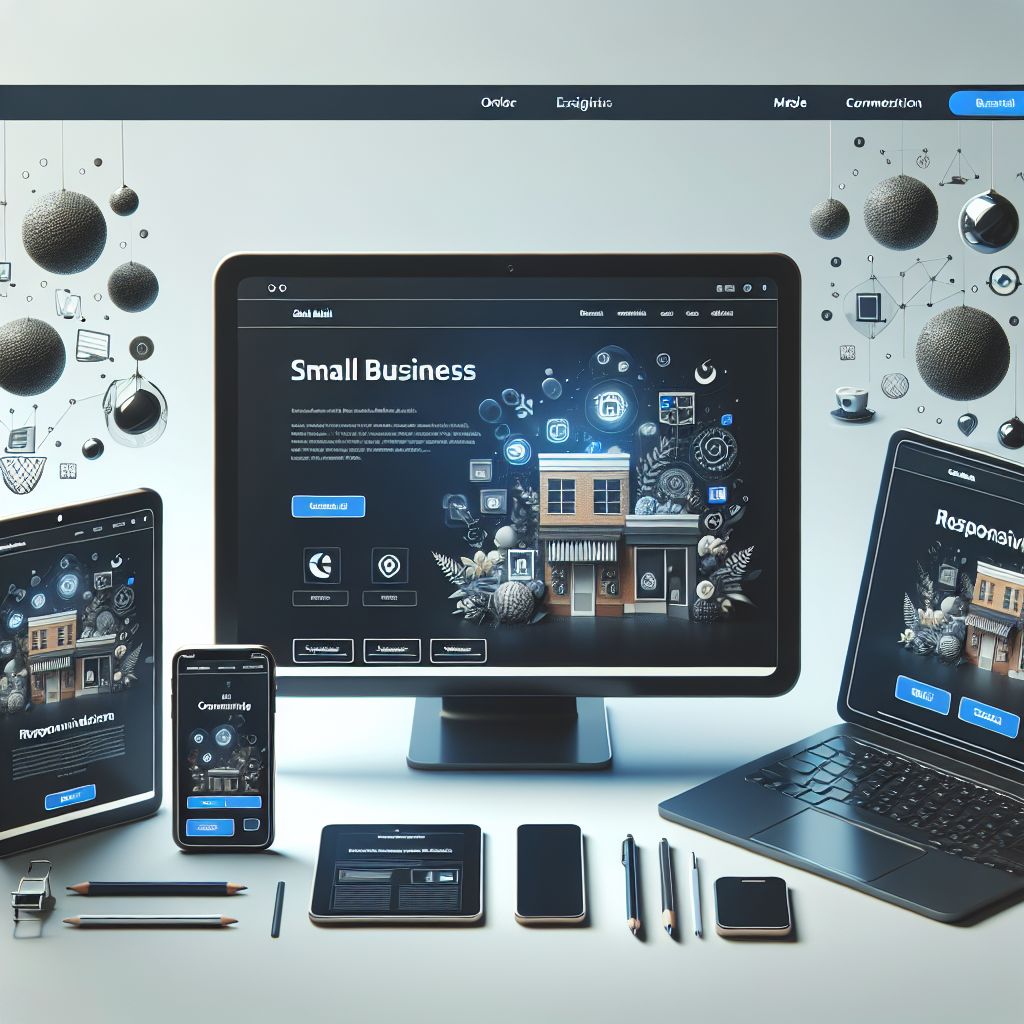
Navigating through these features may seem daunting at first, but breaking them down makes it manageable just like tackling that mountain of laundry you’ve been avoiding! So roll up those sleeves and get ready to create something fantastic.
The Design Process: From Concept to Launch
Designing a website for a small business is like crafting a fine brew it requires the right ingredients, a dash of creativity, and the perfect brewing time. Let’s break down the design process into manageable sips!
Create Wireframes and Prototypes
First things first, you’ll want to sketch out your ideas. Think of wireframes as the blueprint for your website. They’re like the architectural plans of your dream café, showing where every table (or button) should go. Tools like Figma or Adobe XD can help you visualize your layout before diving into the nitty-gritty.
Selecting Graphic Design and Branding Services UK
Next up, branding! You wouldn’t serve tea in a dirty cup, right? The same goes for your online presence. Choosing graphic design and branding services UK can elevate your site from “meh” to “wow!” Look for designers who understand modern web design trends UK they’ll help create a cohesive look that reflects your business ethos.
User-Friendly Websites UK Best Practices
Your website should be as welcoming as a warm Yorkshire pudding on a chilly day! Here are some best practices to keep in mind:
- Simplicity is key: Avoid clutter; clean layouts work best.
- Navigation: Ensure users can find what they need in three clicks or less.
- Mobile-friendly web design: With more people browsing on their phones, responsive design is non-negotiable!
- Loading speed: A slow site is like a queue at the chippy no one has time for that!
Quick Tip: Consider using a small business website builder that offers templates optimized for user experience. Platforms like WordPress, Squarespace, or Wix are great starting points!
The design process doesn’t end here; it’s just the beginning! Once you have your wireframes and branding sorted out, it’s time to move on to development and launch strategies that will get your small business online presence buzzing.
Affordable Web Design Services: Finding the Right Fit for Your Budget
When it comes to designing a website for a small business, budget constraints can feel like trying to squeeze into your favorite jeans after the holidays tight and uncomfortable! But fear not, savvy entrepreneur! There are affordable web design services out there that won’t break the bank and can still deliver a stunning online presence.
First things first, let’s talk about what you really need. You might think you need a custom website for small business that costs a fortune, but sometimes all you need is a solid foundation. Think of it like building a house: do you want a mansion with gold-plated fixtures or a cozy cottage that gets the job done? Here are some options to consider:
- DIY Small Business Websites: Platforms like WordPress, Squarespace, and Wix for small businesses allow you to create your own site without needing to hire an expensive designer. Just grab some coffee, put on your favorite tunes, and get building!
- Website Design Agency UK: If you’re looking for something more tailored but still affordable, local agencies often offer packages that include everything from branding to SEO-friendly web design.
- Freelancers: Hiring freelancers can be a cost-effective way to get professional website design for small businesses. Websites like Upwork or Fiverr can connect you with talented designers who work within your budget.
- Template-Based Solutions: Consider using free website templates or low-cost themes available on platforms like ThemeForest. These can give your site a professional look without the hefty price tag.
Now, before you jump into any of these options, remember that not all affordable web design services are created equal. Here are some tips to find the right fit:
- Check Portfolios: Always look at previous work. A great designer should have examples of their work readily available if they don’t, run away faster than you would from an ex at a party!
- User Reviews: Read reviews from other small business owners. They can provide insights into what it’s really like working with someone.
- Total Costs: Make sure to ask about hidden costs like hosting fees or domain registration for small businesses UK. You don’t want any surprises popping up later!
Key Takeaway: Affordable web design services are available if you’re willing to do some research and perhaps roll up your sleeves. Whether it’s through DIY platforms or hiring freelancers, there’s something out there that fits both your vision and your wallet.
The Role of Hosting and Domain Registration in Your Website’s Success
When you’re ready to design a website for a small business, two unsung heroes play pivotal roles in your online journey: hosting and domain registration. Think of them as the sturdy foundation and the inviting front door of your digital storefront. Without them, you might as well be trying to sell ice cream in the Sahara!
First up, let’s talk about hosting. This is where your website lives, like a cozy apartment for all your digital goodies. You wouldn’t want to rent a flat in a dodgy neighborhood, right? Similarly, choosing the right hosting provider is crucial for your small business web design. Here are some key factors to consider:
- Speed: A slow website is like a snail at a race; it’s not going to win any customers. Look for hosts that offer solid speed performance.
- Security: With cyber threats lurking around every corner, secure hosting for small businesses UK is non-negotiable. Ensure your host provides SSL certificates and regular backups.
- Support: Ever tried fixing something without help? Nightmare! Choose a provider with 24/7 support so you can sleep soundly knowing they’ve got your back.
- Scalability: As your business grows, so should your hosting plan. Opt for options that allow easy upgrades without causing headaches.
Next up is domain registration the address where customers find you online. It’s like the sign on your shopfront that says, “Hey! Come on in!” Here are some tips to nail this step:
- Simplicity is key: Keep it short and sweet. A complicated domain name can confuse potential visitors faster than you can say “lost sale.”
- .com or bust? While there are many domain extensions out there (hello .shop and .co), nothing beats the familiarity of .com when it comes to credibility.
- Avoid hyphens: They’re like speed bumps annoying and easily forgotten! Stick with straightforward names that roll off the tongue.
Tangible Takeaway: Investing time in selecting reliable hosting and registering an effective domain can significantly impact your small business online presence. It’s not just about being found; it’s about being found quickly and securely!
- < li >Secure hosting for small businesses UK options
- < / ul >
Launching Your Website and Beyond
- Lead generation through web design UK companies strategies
- Monitoring performance and analytics
- Updating content and maintaining your site
-
< / ul >
< / section >Conclusion
< / section >