
UX vs. UI: Understanding the Core Differences and Why You Need Both from a Professional Web Designer
Introduction
Alright, let’s get one thing straight: UX and UI are not the same thing, but they sure do like to crash the party together! If you’re a small business owner or a budding entrepreneur looking to make your mark online, understanding the difference between these two terms is crucial. Think of UX (User Experience) as the friendly host who ensures everyone has a good time, while UI (User Interface) is the stylish decor that makes the place look fab. Together, they create an unforgettable experience for your visitors.
As a professional web designer, I’ve seen firsthand how many folks confuse these two concepts. But fear not! By the end of this post, you’ll be armed with enough knowledge to impress your friends at dinner parties and maybe even hire a web design expert with confidence. Whether you’re considering hiring a freelance web designer or diving into DIY website creation, knowing how UX and UI work together can make or break your online presence.
So grab your favorite beverage and let’s dive into the nitty-gritty of UX vs. UI! You’ll learn why both are essential for creating engaging user experiences that not only look great but also drive conversions. After all, in this digital age where first impressions matter more than ever, having a well-designed website isn’t just nice to have; it’s a must!
What is UX Design?
User Experience, or UX, is all about how a user interacts with a product or service. Think of it as the cozy sofa where your visitors plop down while browsing your site it should be comfy, inviting, and easy to navigate.
Without good UX design, your website can feel more like a rickety old chair that squeaks and wobbles not exactly the best first impression!
Definition of User Experience (UX)
At its core, UX design focuses on optimizing the overall experience that users have when interacting with a website or application. It encompasses everything from usability to accessibility and even emotional responses.
The Importance of UX in Web Design
Why does UX matter? Well, for starters, it directly affects user satisfaction and retention. A professional web designer knows that if users find your site enjoyable and easy to use, they’re more likely to stick around and explore. In fact:
88% of online consumers are less likely to return to a site after a bad experience.
Key Components of UX Design
- User Research: Understanding who your users are and what they need.
- Information Architecture: Organizing content effectively so users can find what they need without feeling lost.
- Wireframing: Creating blueprints for your website layout think of it as sketching out the floor plan for a new house.
- User Testing: Getting feedback from real users to iron out any wrinkles before launch.
- Iterative Design: Continuously improving based on user feedback because even the best designs can always be better!
A skilled freelance web designer or certified web designer will integrate these components into their workflow, ensuring that every aspect of the user’s journey is seamless and enjoyable. After all, creating a positive user experience is essential for building an engaging online presence!
What is UI Design?
Alright, let’s dive into the world of User Interface (UI) Design. Think of UI as the stylish outfit your website wears to impress its visitors. It’s not just about looking good; it’s about making sure everything is in the right place and easy to use. A professional web designer knows that a great UI can make or break a user’s experience.
Definition of User Interface (UI)
User Interface design focuses on the visual elements and interactive aspects of a website. This includes everything from buttons and sliders to images and text layouts. Essentially, it’s how users interact with your site visually like a dance where every step counts!
The Role of UI in Web Design
A well-designed UI acts like a friendly tour guide, leading users through your website with ease. As a freelance web designer might tell you, if users can’t find what they’re looking for within seconds, they’ll likely bounce faster than you can say “conversion rate.”
Key Elements of UI Design
- Visual Hierarchy: This refers to the arrangement of elements in a way that guides users’ attention to what matters most.
- Consistency: Keeping design elements uniform across all pages helps create familiarity and trust.
- Interactive Elements: Buttons, links, and forms need to be intuitive and responsive think of them as the secret sauce that makes everything click!
- Typography: The fonts you choose can evoke emotions and set the tone for your brand. A graphic design professional knows how to pick just the right typeface.
- Color Palette: Colors influence mood and perception. A web development specialist will ensure that your color scheme aligns with your brand identity.
Takeaway: A successful UI isn’t just about aesthetics; it’s about creating an engaging user journey that keeps visitors coming back for more!
The Core Differences Between UX and UI
Alright, let’s dive into the nitty-gritty of UX and UI the dynamic duo of web design. Think of UX as the charming host at a party, ensuring everyone feels welcome and has a great time, while UI is the stylish decor that makes everything look fabulous. They work hand-in-hand, but they have distinct roles that are crucial to your website’s success.
Focus and Purpose of Each Discipline
At its core, User Experience (UX) is all about how users interact with your website. It encompasses everything from navigation to content flow, aiming to create a seamless journey for visitors. A professional web designer knows that if users can’t find what they’re looking for in three clicks or less, you might as well be serving them a plate of soggy chips.
On the flip side, User Interface (UI) hones in on the aesthetic aspects think buttons, colors, typography, and layout. A web design expert will tell you that while UX is about function, UI is all about form. A stunning interface can draw users in like moths to a flame but without good UX, those moths won’t stick around long enough to enjoy the ambiance.
The Relationship Between UX and UI
Now here’s where it gets interesting: UX and UI are like peanut butter and jelly they complement each other perfectly! You can’t have one without the other if you want an effective website. A professional website creator understands that a beautiful site (UI) won’t perform well if users struggle to navigate it (UX). It’s all about balance!
Common Misconceptions About UX and UI
Let’s clear up some common myths:
- Myth 1: UX is just about usability. Nope! It also includes emotions and perceptions.
- Myth 2: UI designers don’t need to know anything about UX. Wrong again! Understanding user behavior is essential for creating effective interfaces.
- Myth 3: Good design means good UX/UI. Not necessarily! Even the most stylish website can fail if it lacks user-centered design principles.
The takeaway? To create an engaging online presence that keeps visitors coming back for more, you need both a savvy UX strategy and a visually appealing UI just like chips need their dip!
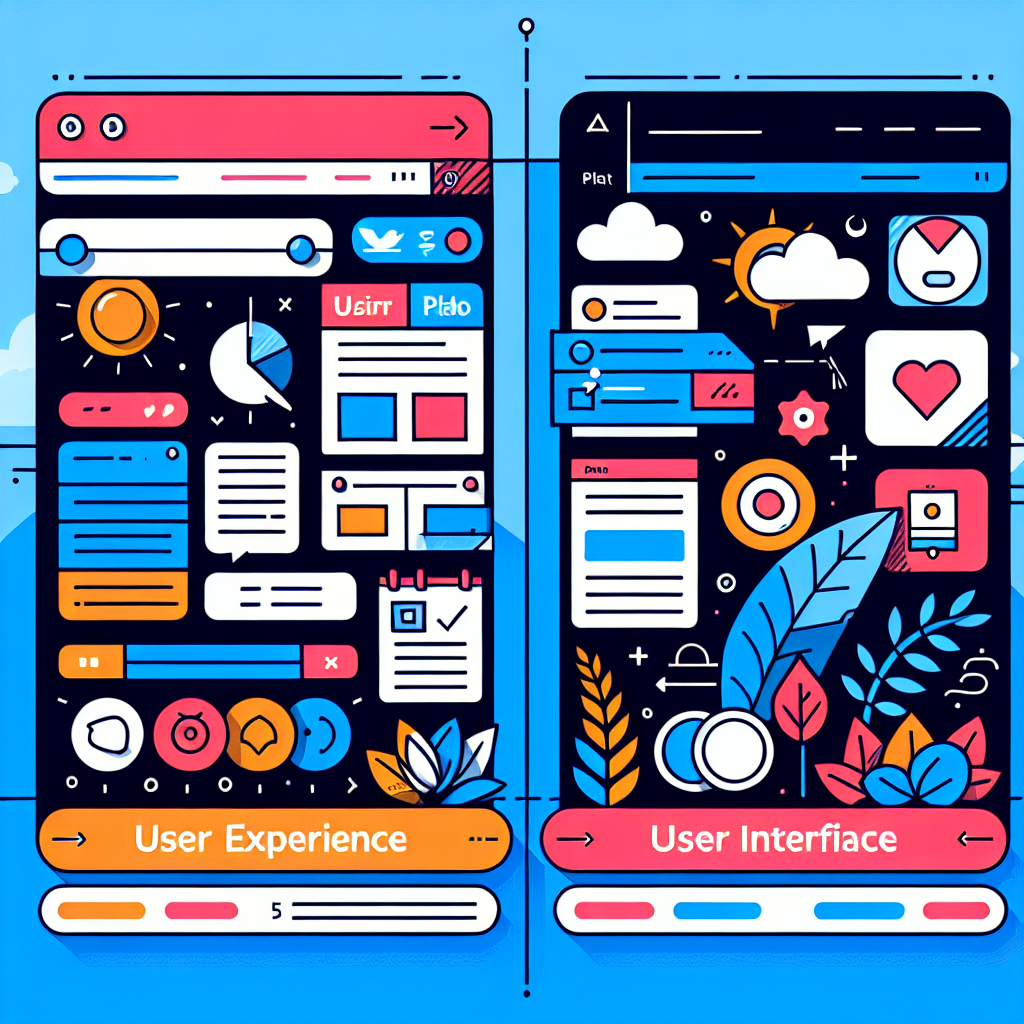
Why You Need Both UX and UI for Your Website
Let’s face it: a website without both UX and UI is like a sandwich without the filling. Sure, you’ve got the bread (the structure), but what’s the point if there’s nothing tasty in between? As a professional web designer, I can tell you that these two elements are like Batman and Robin each has its strengths, but together, they save the day!
The Impact on User Satisfaction and Retention
Imagine walking into a shop where the layout is confusing, products are hard to find, and the staff are nowhere to be seen. Frustrating, right? That’s exactly how users feel when they land on a website with poor UX. A user-friendly experience keeps visitors happy and encourages them to stick around longer.
Did you know that 88% of online consumers are less likely to return to a site after a bad experience? That’s a staggering statistic that highlights just how crucial UX is for retaining users!
How They Contribute to Conversion Rates
A seamless user experience paired with an engaging user interface can significantly boost your conversion rates. Think of it this way: if your website looks stunning (thanks to great UI) but is difficult to navigate (poor UX), users will bounce faster than you can say “conversion optimization.” On the flip side, an intuitive site with a stylish design invites users to explore further and take action be it signing up for newsletters or making purchases.
The Synergy Between UX and UI in Creating Effective Digital Experiences
The magic happens when UX and UI work hand-in-hand. A website designed by an experienced UX/UI designer understands user needs while also providing an aesthetic appeal. This synergy creates an interactive environment that not only meets user expectations but exceeds them!
- User-Centric Design: Prioritizing user needs ensures that both aesthetics and functionality are aligned.
- Brand Identity: A well-crafted UI reflects your brand’s personality while effective UX enhances brand loyalty.
- Responsive Design: With mobile-friendly web design being more important than ever, integrating both disciplines ensures your site looks great on any device.
If you’re still skeptical about needing both elements, consider this: websites that prioritize both UX and UI often see higher user engagement rates think about how much easier it is to recommend a site that looks good AND works well! So whether you’re working with a freelance web designer or hiring a certified web designer for custom website design, make sure they understand this crucial balance.
The Role of a Professional Web Designer in Balancing UX and UI
When it comes to crafting a stellar online presence, the role of a professional web designer is akin to that of a master conductor leading an orchestra. Each instrument (or design element) must harmonize perfectly to create a beautiful symphony otherwise, you end up with a cacophony that sends users running for the hills!
A web design expert understands that balancing User Experience (UX) and User Interface (UI) is not just about aesthetics or functionality it’s about creating an engaging digital experience that resonates with users. Here are some key skills and insights into why hiring a professional website creator is crucial:
- Understanding User Needs: A certified web designer dives deep into user research to understand what makes your audience tick. This means they can design interfaces that are not only visually appealing but also intuitive and easy to navigate.
- Responsive Web Design: In today’s mobile-first world, ensuring your site looks fabulous on any device is non-negotiable. A professional will implement responsive web design techniques, so your site adapts seamlessly to different screen sizes.
- Collaboration Skills: UX/UI designers often work alongside graphic design professionals, developers, and clients. This collaborative approach ensures everyone’s vision aligns, resulting in a cohesive product.
- Proficiency in Tools: From wireframing tools like Sketch to prototyping software like Figma, a web development specialist knows how to wield these tools effectively to bring designs to life.
Key Takeaway: Investing in a freelance web designer who understands the delicate balance between UX and UI can dramatically enhance your website’s performance and user satisfaction.
The Value of Hiring a Web Design Expert
A professional web designer doesn’t just throw together some trendy colors and fonts; they craft bespoke web development solutions tailored specifically for your brand. This means creating custom website designs that reflect your unique identity while ensuring usability and accessibility.
Success Stories: When Balance Meets Brilliance
Consider the case of an e-commerce web designer who revamped an online store struggling with high bounce rates. By focusing on both UX and UI, they streamlined the checkout process (UX) while enhancing visual appeal with engaging product displays (UI). The result? A staggering 40% increase in conversions within three months!
This example illustrates how the synergy between UX and UI can lead to tangible business results. A good professional knows how to leverage these elements effectively, creating engaging user interface designs that are not only stylish but also functional.
Conclusion
In the ever-evolving world of web design, understanding the difference between UX and UI is like knowing the secret sauce behind a great burger. You can have the juiciest patty (UX) and still ruin it with stale bread (UI). A professional web designer knows that both elements must work in harmony to create a mouthwatering digital experience that keeps users coming back for more.
As we’ve explored, UX focuses on how users interact with your website think of it as the cozy ambiance of your favorite café. On the other hand, UI is all about how everything looks like those stylish latte art designs that make your morning coffee Instagram-worthy. Without one, the other falls flat.
Key Takeaway: Investing in both UX and UI is not just smart; it’s essential for crafting a successful online presence. Whether you’re a small business owner or a budding entrepreneur, hiring a web design expert can elevate your project from ordinary to extraordinary.
If you want to create a website that not only looks great but also functions seamlessly, consider working with a certified web designer. A good designer will ensure that your site is not just pretty but also user-friendly and conversion-focused. After all, what’s the point of having a stunning site if no one knows how to navigate it?
So, whether you’re looking for bespoke web development or dynamic website creation, remember: UX and UI are two sides of the same coin. Embrace both for an engaging user experience that drives results!